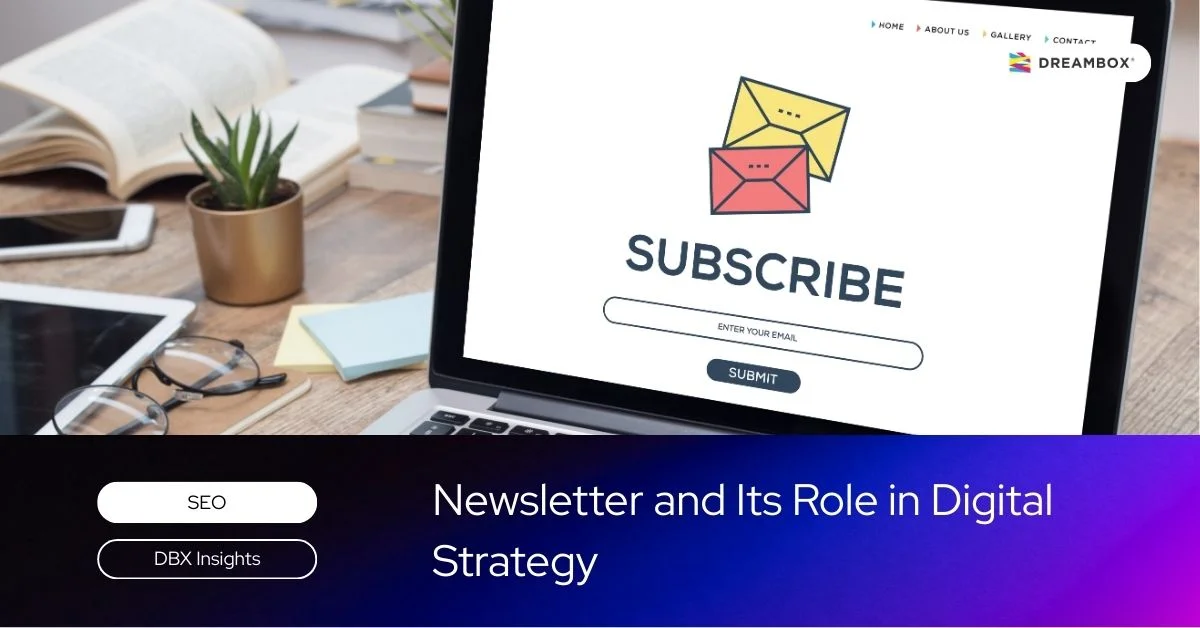
Amid increasingly intense marketing competition, newsletters have once again become an effective communication platform because they are able to deliver information directly to the audience inbox, maintain closeness, and encourage visits to business content through relevant links.
A newsletter is an email based information distribution medium commonly used by brands to share news, education, and promotions on a regular basis to nurture relationships with customers and potential customers.
Definition of Newsletter
A newsletter is a periodic publication sent via email to a list of subscribers to deliver information, updates, education, or promotions according to audience needs. In digital communication strategy, newsletters function as an owned media platform that supports marketing while educating audiences to better understand the value, products, and services of a brand.
Functions and Benefits of Newsletter
1. Building LongTerm Relationships with Audiences
Newsletters help maintain consistent communication so that relationships with readers remain well maintained, which ultimately contributes to audience trust and loyalty toward the brand.
2. Medium for Delivering Information and Content
Through newsletters, businesses can share product updates, services, or the latest information, while distributing educational and promotional content that encourages readers to return to your website or digital platform.
Schedule a free 30-minute branding consultation session with our experts.
3. Tool for Generating and Managing Leads
With subscription forms and relevant content, newsletters play a role in generating leads, directing audiences to the next stage (for example reading articles, downloading materials, or trying products), and supporting the nurturing process until they are ready to convert.
Types and Forms of Newsletter
1. Content Based Newsletter
This type emphasizes educational information, such as tips, tutorials, insight summaries, or selected articles that are valuable for audiences so they are encouraged to reengage with the brand.
2. Promotional Newsletter
Focuses on product or service offers, feature launches, bundling, as well as discount information or special programs to encourage purchases or registrations.
3. Periodic and Thematic Newsletter
Delivery can be arranged weekly or monthly for consistency, and thematic for certain events or campaigns so messages are more targeted and relevant to business moments.
How Newsletter Works in Marketing Strategy
1. Planning and Goal Setting
The initial step includes determining delivery targets and communication objectives (education, traffic, or conversion), then preparing a content calendar so messages remain consistent with established marketing goals.
2. Subscriber List Management
Email lists are collected through voluntary registration. Segmentation based on interests, needs, or behavior helps personalize content so relevance and interaction opportunities increase.
3. Use of Email Marketing Tools
Email marketing platforms are used for delivery scheduling, flow automation, and performance management. Measurement is carried out through metrics such as open rate and clickthrough rate or CTR for ongoing evaluation.
The Right Time to Use Newsletter
1. To Build Relationships with Customers
Use newsletters when you need routine and relevant communication to maintain engagement and remind audiences of the value you offer.
2. To Promote Content or Products
Newsletters are effective when supporting marketing campaigns, product launches, or distribution of new content so audiences return to your digital platform.
3. To Guide Audiences Toward Conversion
Use newsletters to direct readers to specific actions such as reading articles, registering for webinars, downloading materials, or making purchases.
Important Elements in an Effective Newsletter
1. Clear and Engaging Content Presentation
Use concise language that is easy to understand and relevant to audience needs so messages are quickly absorbed and motivate action.
2. Responsive and Visual Design
Ensure responsive design for various devices and screen sizes so the reading experience remains comfortable wherever audiences open the email.
3. Directed Call to Action
Include specific and prominent CTAs to direct readers to the page or action you want.
Newsletter Success Measurement
1. Subscriber Growth
Monitor subscriber growth over time to assess acquisition effectiveness and subscription offer quality.
2. Open Rate and Interaction Level
Open rate shows how many emails are opened, while clickthrough rate or CTR reflects interaction with links within the email as an indicator of content relevance and CTA strength.
The Role of Newsletter in Digital Strategy and Website Performance
Newsletters support digital strategy by distributing content consistently, driving traffic to websites, and strengthening audience interaction through targeted educational and promotional content. To ensure newsletter management provides greater value for businesses, align it with site content planning, analytics measurement, and relevant landing pages. Learn how this integration can run alongside SEO strategy through Dreambox SEO services. For further discussion, contact the Dreambox team and discover the latest insights on the Dreambox blog page.